
Engineering Analysis of Heat, Airflow Stability, Humidity Management, and Long-Term Reliability
Qatar Climate Changes the Question
In many countries, choosing an air-conditioning system is primarily about capacity and installation convenience.
In Qatar, the engineering reality is different.
Air-conditioning systems operate under:
prolonged high ambient heat
long daily operating hours
significant humidity variation
ceiling heat accumulation
dust and coastal salt exposure
Because of this environment, the real question is not:
“Are cassette AC systems good?”
The real engineering question is:
“Which cassette systems remain stable under Qatar’s operating stresses?”
For the broader climate behavior behind HVAC operation in the region, see
How AC Systems Behave in Qatar Climate
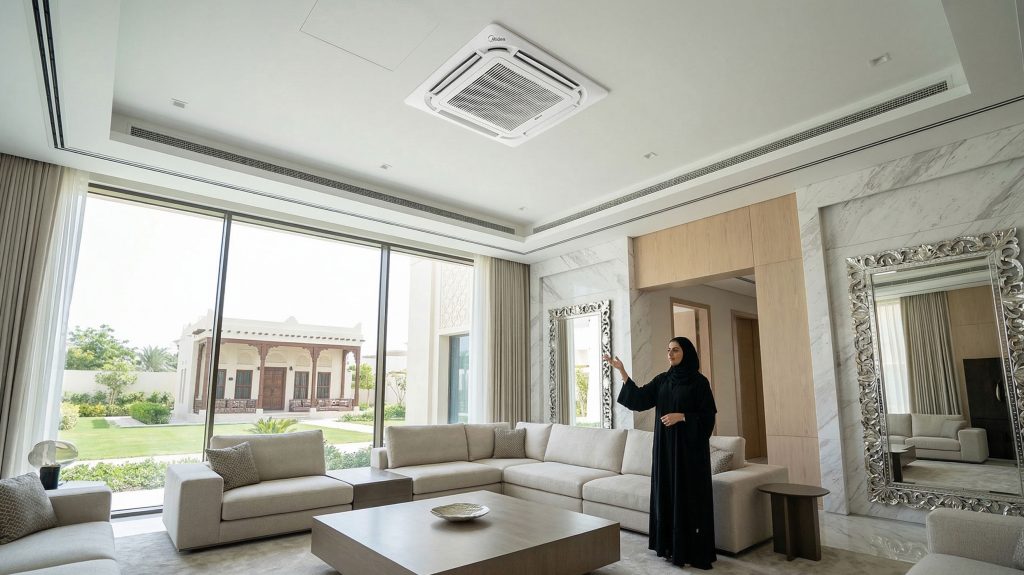
Air Distribution: Why Cassette Systems Can Work Well in Qatar
Cassette AC systems were originally developed to solve one fundamental problem:
air distribution across larger or open spaces.
In Qatar, this matters because uneven airflow often creates:
hot spots in corners
uncomfortable drafts near the unit
ceiling heat layers that remain unmixed
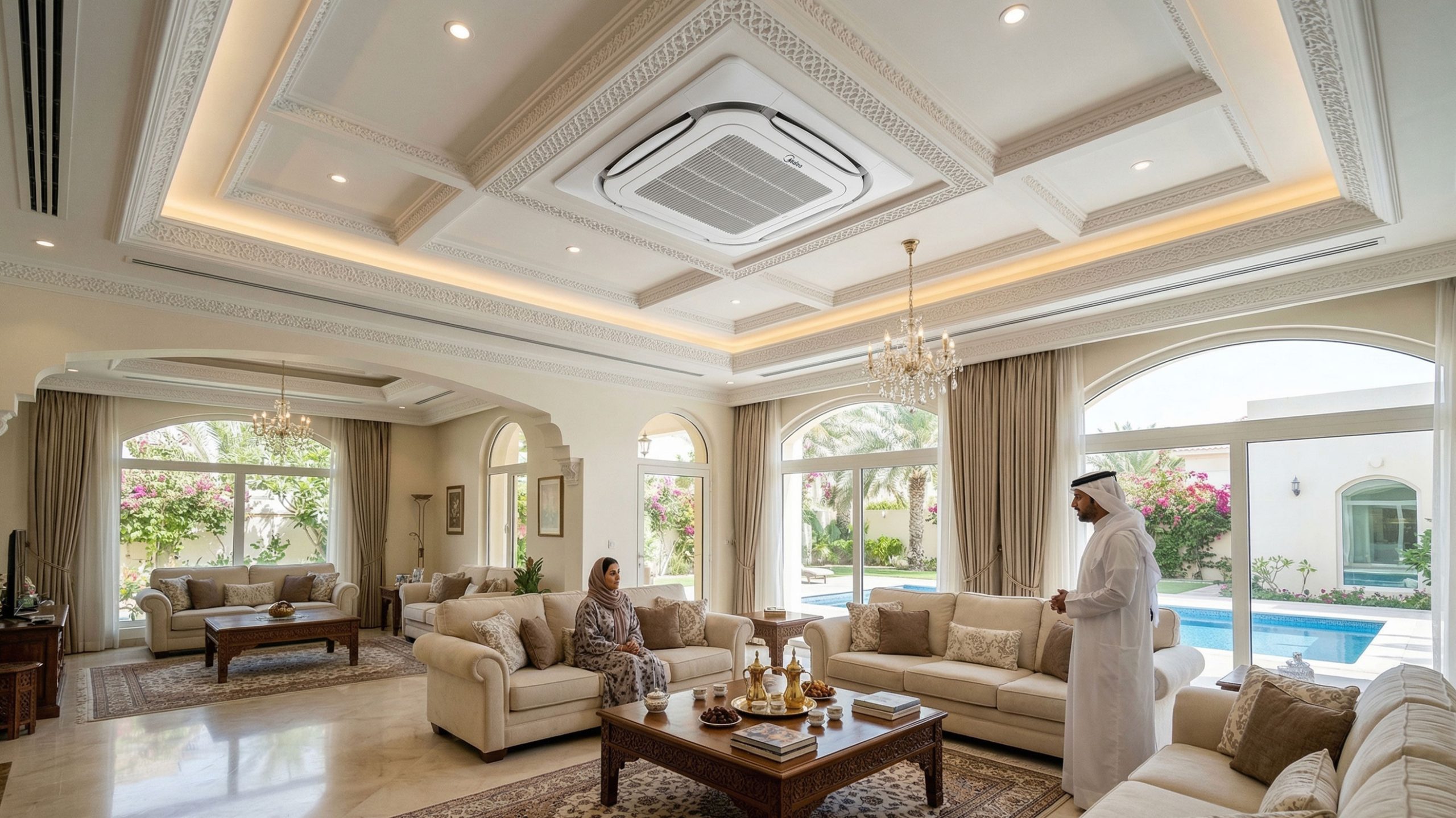
A ceiling cassette system distributes air across multiple directions, improving air mixing and temperature stability in open areas.
However, not all cassette systems deliver airflow in the same way.
Engineering documentation for Midea cassette systems highlights airflow architecture designed specifically to improve distribution stability, including:
round-flow air discharge patterns
wide-angle airflow coverage
expanded volute outlet design
optimized blade geometry for smoother airflow and lower turbulence
These airflow engineering elements improve air mixing and coverage stability, which are critical factors for comfort in Qatar’s open indoor layouts.
For deeper airflow analysis, see:
Cassette Airflow & Comfort Engineering in Qatar
High Ambient Operation: The First Requirement in Qatar
Cooling performance in Qatar is not determined only by nominal capacity.
The system must remain stable under extreme outdoor temperatures.
Many standard AC systems are optimized for moderate climates.
When ambient temperatures rise significantly, these systems may experience:
reduced cooling efficiency
compressor stress
thermal protection shutdowns
Technical documentation for Midea cassette platforms specifies cooling operation up to 52°C ambient temperature for referenced models.
This operating envelope places these systems within the high-ambient range required for Gulf climates, where summer temperatures frequently exceed conventional design conditions.
In practice, this means the system is engineered not just to cool a room, but to maintain cooling stability under prolonged extreme heat exposure.
For a full explanation of high-ambient AC engineering, see:
What High-Ambient (T3) Operation Really Means in AC Engineering
-
- Out of StockRead more
- Add to WishlistAdd to Wishlist
-
-

-

Add to WishlistAdd to Wishlist -
-
- Out of StockSelect options This product has multiple variants. The options may be chosen on the product page
- Add to WishlistAdd to Wishlist
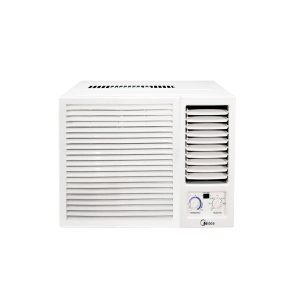
- Cooling Only, On Off, Window AC
Window AC Cooling Only (Cooling Only)
- 1.599,00 ر.ق – 1.749,00 ر.قPrice range: 1.599,00 ر.ق through 1.749,00 ر.ق
-
Add to WishlistAdd to Wishlist -
-
-
Select options This product has multiple variants. The options may be chosen on the product page
- Add to WishlistAdd to Wishlist
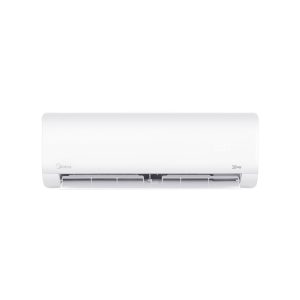
- Cooling Only, On Off, Rotary, Wall Mounted Split Units
Xtreme-AG Rotary
- 2.049,00 ر.ق – 4.189,00 ر.قPrice range: 2.049,00 ر.ق through 4.189,00 ر.ق
-
-
-
-
Add to WishlistAdd to Wishlist -
Humidity and Condensate Management
Cooling in Qatar is not only about reducing temperature.
It also requires continuous moisture removal.
Humidity management directly affects:
indoor comfort
condensation load
drainage reliability
ceiling installation safety
One of the most common cassette AC complaints in humid climates is water leakage, often caused by drainage limitations or improper condensate management.
Design features in Midea cassette systems directly address this engineering challenge.
Documentation specifies:
a built-in drain pump
condensate lift capability up to 750 mm
two-direction drainage routing
These design elements allow installers greater flexibility in suspended ceilings and significantly reduce the risk of condensate overflow.
In humid environments such as Qatar, this drainage architecture is not simply a convenience feature — it is a reliability requirement.
For detailed analysis of humidity and drainage behavior, see:
Cassette AC Drainage & Humidity Reality in Qatar
Corrosion Resistance in Coastal Doha
Another engineering factor that influences cassette AC longevity in Qatar is coastal corrosion exposure.
Areas such as:
Lusail
The Pearl
West Bay coastal zones
are exposed to salt-laden air, which accelerates corrosion of HVAC components.
Over time, corrosion can affect:
coil performance
heat-exchange efficiency
airflow channels
drainage trays
Midea cassette documentation references Hyper Graphins anti-corrosion technology, which is designed to improve durability under harsh environmental exposure.
Testing data referenced in product documentation indicates:
enhanced corrosion resistance compared with traditional coatings
UV exposure validation
salt-spray testing
These measures directly address one of the most significant long-term risks for HVAC systems installed near the sea.
For full coastal performance analysis, see:
Cassette AC in Coastal Doha — Corrosion, Salt Air, and Long-Term Performance
Inverter Stability Under Continuous Operation
Qatar’s climate also means that air-conditioning systems operate for long continuous periods.
In fixed-capacity systems this often leads to:
repeated compressor cycling
unstable temperature control
higher mechanical stress
Inverter technology addresses this issue by allowing the compressor to modulate its speed gradually, maintaining stable output instead of repeated full start-stop cycles.
Midea cassette systems integrate inverter platforms designed for continuous load modulation, helping stabilize cooling output under extended runtime conditions typical of Gulf climates.
This results in:
smoother temperature control
improved humidity removal
reduced cycling stress
For detailed discussion, see:
Cassette Inverter Stability in Qatar Climate
Maintenance Accessibility in Ceiling Installations
Another practical engineering factor for cassette systems is service accessibility.
Because cassette units are installed in ceilings, poor service design can make maintenance complicated and expensive.
Documentation for Midea cassette units indicates that the electrical control box (E-box) is integrated within the indoor unit and accessible through the return-air grille.
This design allows technicians to access internal components without dismantling large ceiling sections, improving maintenance efficiency in commercial and residential installations.
When Cassette AC Becomes the Right Solution for Qatar
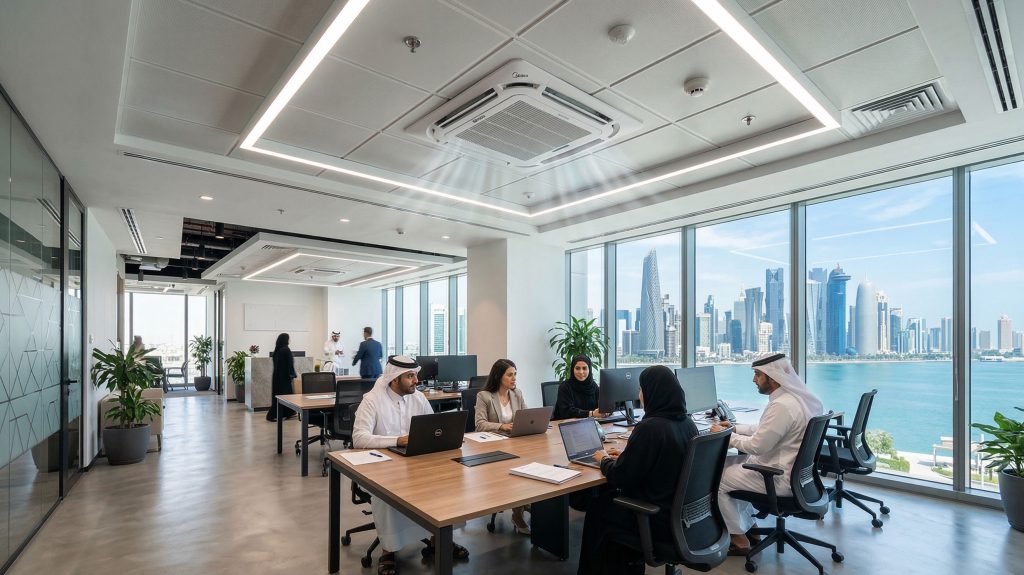
When evaluated using engineering criteria rather than appearance alone, cassette AC systems become a strong solution for Qatar in spaces such as:
majlis areas
commercial shops
offices
clinics
reception zones
open-plan residential spaces
In these environments, balanced air distribution, humidity control, and long-runtime stability are more important than simple wall-mounted airflow.
When the engineering requirements of Qatar climate are applied — including high ambient tolerance, reliable drainage, corrosion resistance, and inverter stability — documented cassette platforms such as those produced by Midea repeatedly align with these conditions.
This alignment does not rely on marketing language.
It emerges from the engineering responses visible in the technical documentation.
Snippet
Cassette AC systems can perform well in Qatar when they are engineered for high-ambient operation, stable airflow distribution, humidity management, and corrosion resistance. Midea cassette platforms align strongly with these requirements through documented features including cooling operation up to 52°C, inverter modulation stability, built-in drain pumps with 750 mm lift capability, two-way drainage design, and anti-corrosion technologies such as Hyper Graphins.
Final Technical Perspective
Cassette AC systems are not automatically suitable for Qatar simply because they are installed in the ceiling.
They become reliable solutions only when their engineering platform is designed for:
extreme heat
prolonged runtime
humidity management
corrosion resistance
service accessibility
When these requirements are evaluated objectively, cassette platforms with documented responses to these conditions — such as the engineering features present in Midea cassette systems — consistently emerge as lower-risk solutions for the Gulf climate.
Customer service
Please contact us at service@phoenixmidea.com
Sales
Press
For public relations, media and stylist requests please contact us at adnan@phoenixmidea.com
Careers
Get in touch at careers@phoenixmidea.com